Small work, longer roof life
Roof maintenance in Long Beach, CA
Your roof is not leaking, but it is aging, and small issues are adding up. Regular maintenance fixes those little things before they turn into a wet ceiling in January.
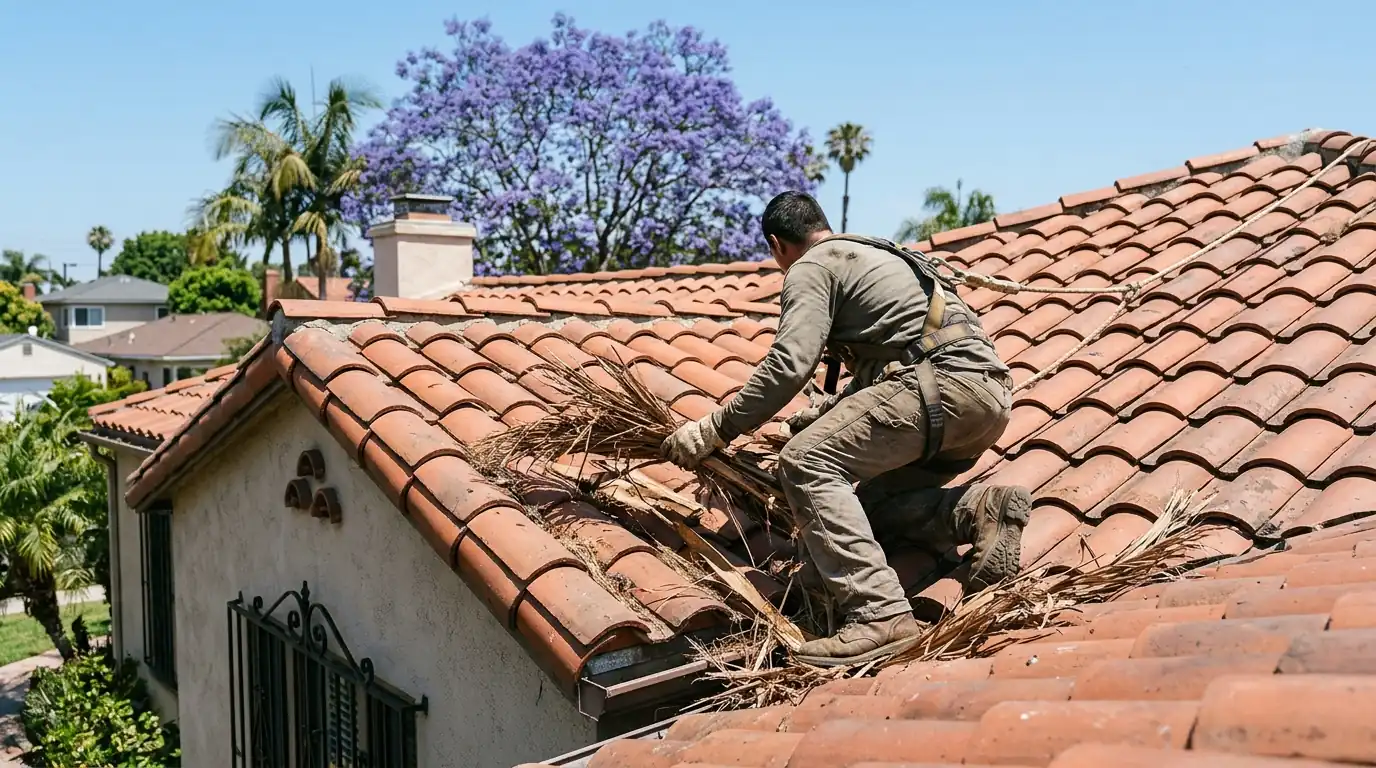
Roof maintenance is a scheduled visit where our roofers clean the roof and drains, reseal and fasten small weak points, and replace minor broken pieces. It is best done once a year, ideally in the fall before the rainy season. Typical visits run $265 to $640 per visit, depending on roof size, type and how much small repair work is needed.
Most roofs fail at the details, not the field. A plumbing boot cracks in the sun, a few nails back out of a ridge, leaves pile up in a valley, and a flat roof drain clogs with palm seeds. Each of those is a small job on a dry day. Left alone, any one of them can become the leak that ruins a ceiling during the first big storm.
Our maintenance visit is hands-on work, not just a look. A roofer cleans what needs cleaning, reseals and refastens what has loosened, swaps out a few cracked tiles or damaged shingles, and clears drains and gutters. You get photos of what we did and notes on anything bigger that should be planned for.
What a maintenance visit includes
Every visit starts with clearing the roof. Leaves, palm fronds, seed pods and windblown trash collect in valleys, behind chimneys and against curbs, where they hold water and grow moss or rot. On flat roofs, debris around drains and scuppers is the most common reason water ponds. We clear it all and flush the drains and downspouts.
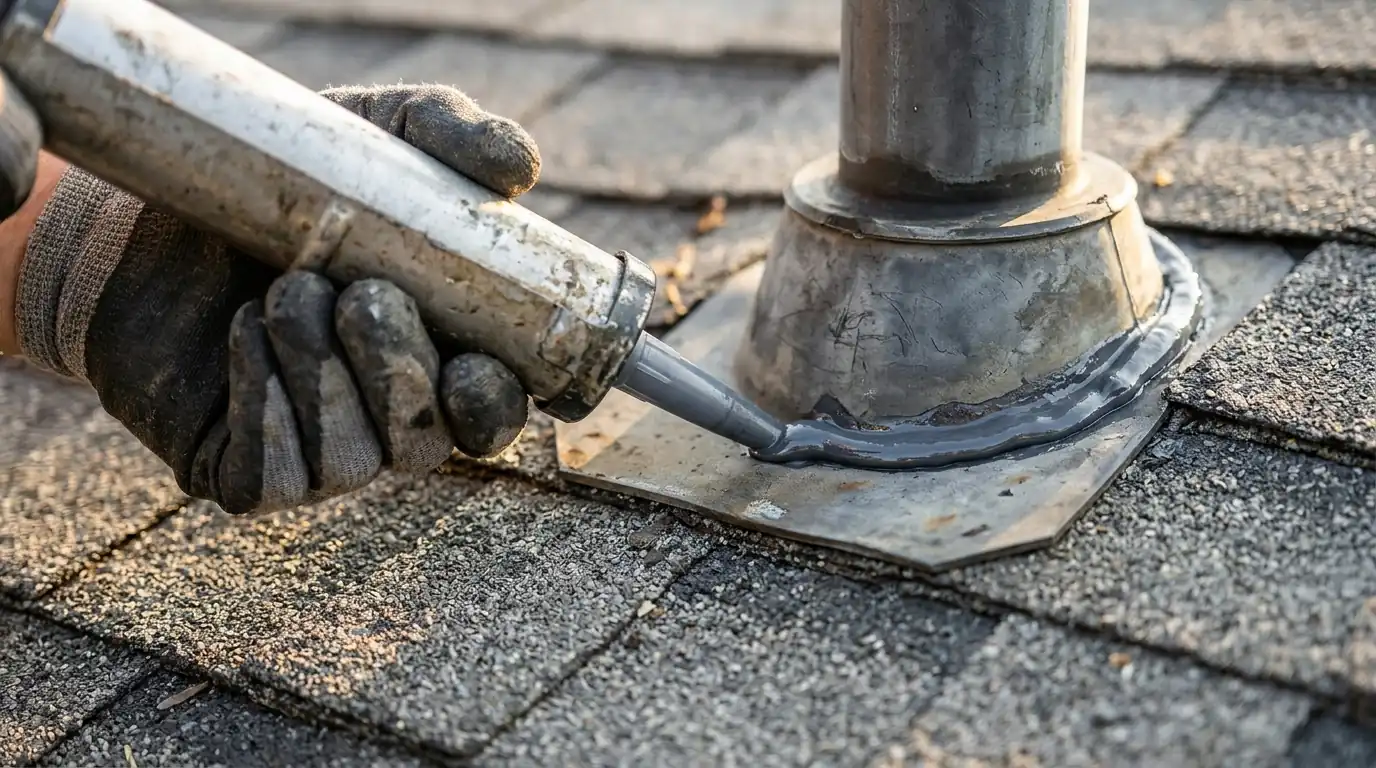
Then we work through the small repairs. Cracked sealant at vents and flashings gets cleaned and resealed with a sealant suited to the material. Lifted shingles are fastened and sealed. Slipped or cracked tiles are reset or replaced. Exposed nail heads are sealed. Loose gutter hangers are tightened.
- Clear valleys, crickets, gutters, drains and scuppers
- Reseal vent pipes, exhaust caps and flashing edges
- Replace small numbers of cracked tiles or shingles
- Refasten lifted shingles, ridge caps and loose metal
- Photo summary and a list of anything to plan for
Maintenance plans by roof type
Tile roofs need someone who knows how to walk tile. Most tile maintenance is resetting slipped pieces, replacing cracked ones, clearing debris from under the tile edges at valleys, and checking that bird stops and eave closures are in place so pests do not nest in the gaps. Shingle roofs mostly need fastening, sealing and attention to wear around penetrations.
Flat and low-slope roofs get the most benefit from regular care. Small blisters and open seams in a membrane can be repaired cheaply when found early. Reflective coatings wear thin in high-traffic or ponding areas and can be touched up. Drains must stay clear, since standing water speeds up wear on almost every flat roof material.
Why skipping maintenance costs more in Long Beach
Long, dry summers hide problems. Sealant dries, flashing edges lift and debris builds up for months with no rain to show where water would go. Then a winter storm drops several inches over a few days, and every weak point is tested at once. Roofers are busiest right after those storms, which is the worst time to need a repair.
A yearly visit in September, October or early November spreads the work out. It also gives you a record of the roof's condition year to year, which helps you plan a replacement on your schedule rather than in an emergency.
When to call about roof maintenance
Debris in valleys
Leaves and palm fronds piled in valleys or behind a chimney hold water against the roof and should be cleared.
Cracked vent sealant
Dry, split sealant around vent pipes and exhaust caps is one of the most common sources of small leaks.
Ponding on a flat roof
Water that sits for days after rain on a flat section usually means a clogged drain or a low spot that needs attention.
Few slipped tiles
A handful of tiles out of line can be reset during maintenance before the underlayment beneath gets exposed to sun.
Granules in gutters
Shingle granules collecting in gutters show the roof is wearing, and it is time to track its condition yearly.
Birds or pests at eaves
Gaps at tile eaves or loose vent screens invite birds and rodents. Closing them is a simple maintenance task.
Typical cost in Long Beach
What roof maintenance usually costs
$265 to $640 per visit
- Size of the roof and number of sections
- Roof type, since tile and flat roofs take more care
- Amount of debris and number of drains to clear
- Number of small repairs included in the visit
- Height, pitch and access for ladders
These are typical Long Beach ranges; the real price for your roof comes after our first look at it. See every price range.
Roof maintenance for Long Beach trees, sun and sea air
Many Long Beach streets are lined with mature trees, and palms, ficus, jacaranda and eucalyptus all drop leaves, seeds or fronds onto roofs. Older neighborhoods such as Bixby Knolls, Los Cerritos and California Heights tend to have the heaviest tree cover and the most valley and gutter cleaning. Apartment buildings and commercial roofs downtown and along Long Beach Blvd often have flat roofs with drains that clog with windblown debris.
Near the beach, salt air corrodes metal flashings, vent caps and fasteners faster, so maintenance on homes in Belmont Shore, Naples and Alamitos Beach includes extra attention to rust and failing metal. Inland homes see more UV damage to sealants and shingles. Our crews work out of our downtown office and our La Mirada office, so routine visits fit easily into the schedule.
How the job runs
How our crew handles roof maintenance
- 1
Schedule the visit
Call (562) 414-1770 and pick a date, ideally in fall before the rains, or set up a yearly reminder with us.
- 2
Clear and clean
Our roofer clears debris from the roof surface, valleys, gutters, drains and scuppers.
- 3
Small repairs
We reseal, refasten and replace minor broken pieces as we work across the roof.
- 4
Flat roof touch-ups
On low-slope areas we patch small blisters or seams and touch up worn coating where needed.
- 5
Photo summary
You get photos of the work done and a short list of anything larger worth planning for.
FAQ
Roof Maintenance questions
How often should roof maintenance be done on a Long Beach home?
Once a year is enough for most homes. Roofs under heavy tree cover, flat roofs and homes close to the ocean may benefit from a second visit. Fall is the best time, before the winter rains arrive.
What is the difference between roof maintenance and a roof inspection?
An inspection is a detailed condition check with a written report and repair prices. Maintenance is hands-on work: cleaning, resealing, refastening and small replacements done during the visit. Many owners do an inspection first, then maintenance each year after.
Does roof maintenance include gutter cleaning?
Yes, we clear gutters, downspouts, drains and scuppers as part of the visit. We also tighten loose hangers we find. Gutter replacement or repair beyond small fixes is priced separately.
Can roof maintenance extend the life of an old tile roof?
It can help, mainly by keeping tile in place and debris off the underlayment. It cannot reverse aging felt that has already dried out and torn. When the underlayment is near the end, we will tell you and explain the lift and relay option.
Is flat roof maintenance different from sloped roof maintenance?
Yes. Flat roofs depend on drains staying clear and membranes staying sealed, so we spend more time on seams, blisters, coatings and ponding areas. Small fixes on a flat roof are cheap, while ignored ones often lead to large wet areas.
Where we do this work
Roof Maintenance around Long Beach
Our crews do this work across Long Beach and the cities around it. A few of the places we cover:
A leak, a quote, or a question about your roof?
Call Denco at (562) 414-1770. Someone answers 24 hours a day, and our crews work out of Long Beach and La Mirada.