Permits and review
What a re-roof permit in Long Beach involves
A new roof in Long Beach needs a building permit. Here is what that involves, how inspections fit into the job and when historic district review comes up.
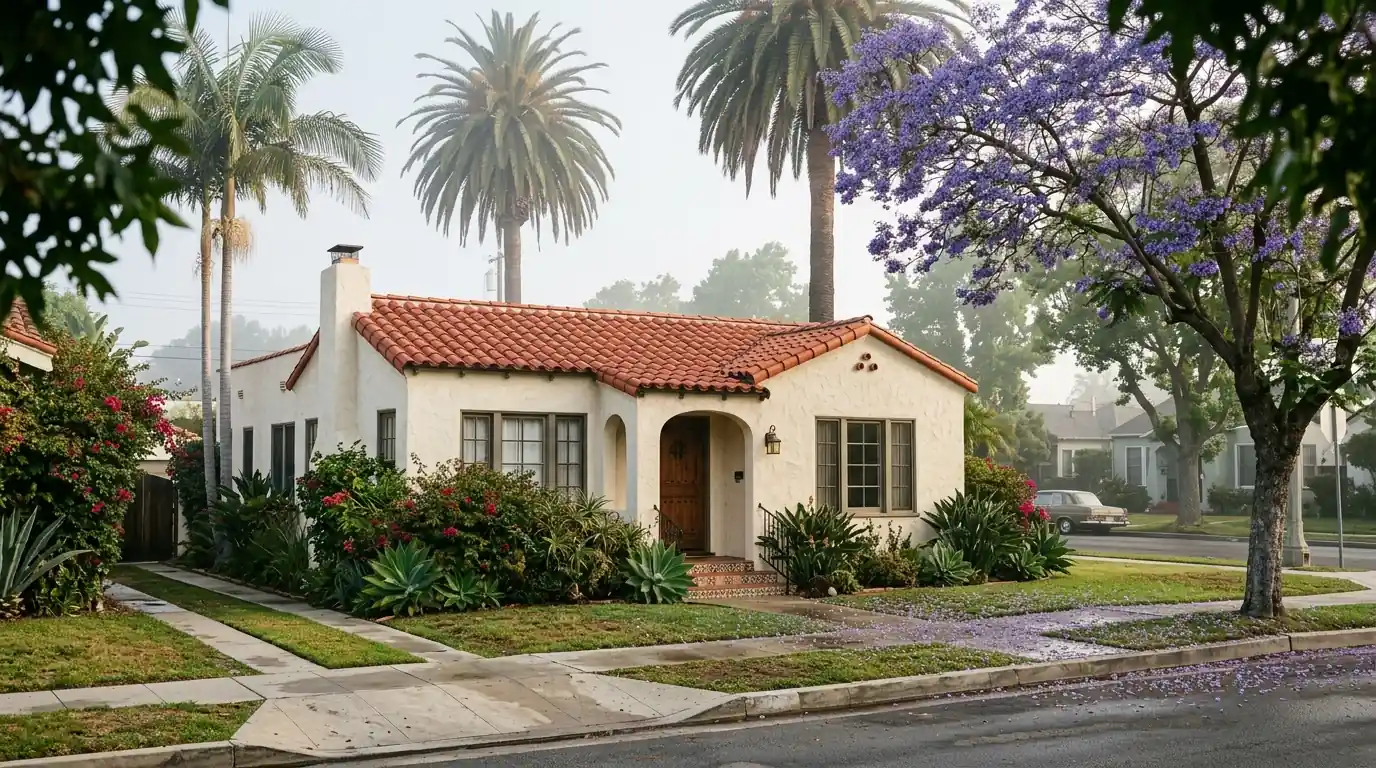
Many homeowners are surprised to learn that replacing a roof is more than a material swap. The City of Long Beach requires a building permit for re-roofing, and the permit brings inspections with it. Handled well, the permit is a small part of the job, and it works in your favor: a permitted roof leaves a record that buyers, lenders and your homeowner's insurer can see later.
This guide explains in general terms what the permit covers, how inspections fit into the schedule, how historic district review can come into play and what changes if your home is outside city limits. It is not legal advice, and city rules change from time to time, so we always confirm the current requirements for your address before work starts.
Why re-roofing needs a permit
A roof is part of the building's structure and its weather protection, and it ties into fire safety and energy rules. The permit gives the city a chance to confirm that the new roof goes on to code: proper underlayment, flashing, ventilation and fastening, plus energy requirements where they apply. It also confirms the roof structure can carry the weight of the new material.
Weight is a real issue in Long Beach. Switching from asphalt shingle to concrete or clay tile adds a lot of load, and the framing in a 1920s bungalow was not always built for it. A change like that can call for structural review before the permit is issued. Going the other way, from tile to a lighter material, usually raises fewer structural questions but can raise design questions in historic districts.
Small repairs are a different matter. Replacing a few tiles or fixing one flashing is generally treated differently from a full re-roof, but where the line falls depends on the scope and the city's current rules. When it is close, we check rather than guess.
Who pulls the permit and what it takes
On the re-roofs we do, we handle the permit as part of the job. That means describing the scope of work, the roof area, the existing and new materials and any structural or energy details the city asks for. For a like-for-like re-roof on a single-family home, this is usually straightforward. Larger or more complex jobs, such as apartment buildings, commercial roofs or material changes, can take more paperwork and more time.
Permit fees are set by the city and change, so we include the actual cost in your estimate rather than guessing at it here. Plan for the permit to add some lead time before work begins, especially on projects that need plan review. These are the details a permit application commonly asks about:
- Roof area and the number of layers coming off
- Existing and new roofing material
- Whether decking will be replaced
- Changes to roof framing, skylights or vents
- Energy requirements that may apply to the new roof
How inspections fit into the job
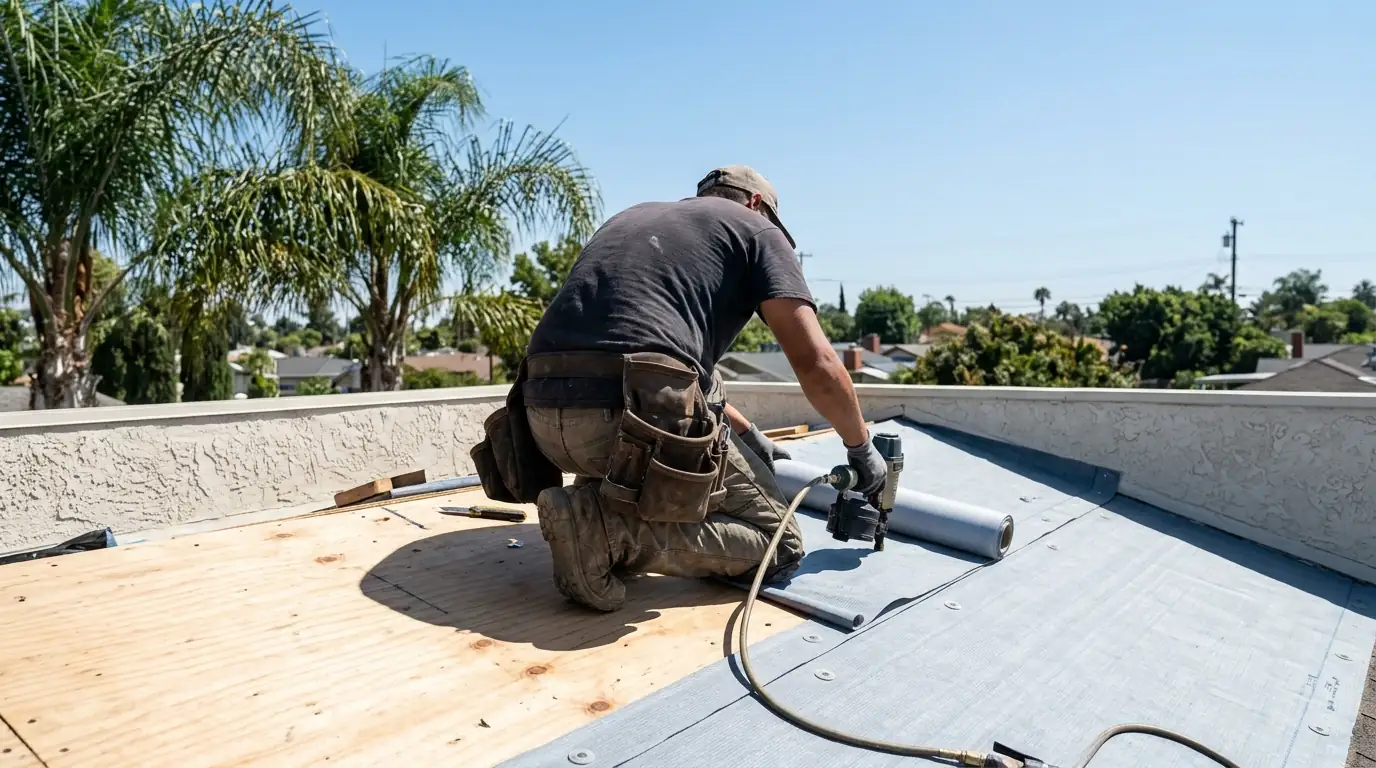
Inspections are where the permit earns its keep. Depending on the roof type and scope, the city inspector may want to see the work at one or more stages, such as the deck after tear-off and repairs, the underlayment and flashing before the finished material covers them, and the completed roof at final. Not every job has every stage, and we confirm the inspection plan when the permit is issued.
We schedule our crews around those inspections so the roof is never left open waiting. If the inspector needs to see the deck, we tear off and dry in by sections, keeping the house protected the whole time. Once the final inspection passes, the permit is closed. Keep that paperwork with your house records, since an open or missing permit can surface when you sell.
One practical point: inspectors need access. If the roof is reached through a locked side yard or a gated driveway, we coordinate with you so an inspection is not missed and the schedule does not slip.
Historic districts and extra review
Long Beach has a number of historic districts, including Bluff Park, Belmont Heights, California Heights, Bluff Heights and Rose Park. Homes in these districts can need extra review before visible material changes. The goal is to keep the character of the street, so the focus is on what people can see: roof material, color, profile and details such as eaves and ridge lines.
Replacing clay tile with matching clay tile, or relaying the existing tile on new underlayment, generally keeps the roof looking the same. Changing a tile roof to shingle, or changing the color or profile in a way visible from the street, is the kind of change that can trigger review. Review takes time, so if you live in a district and are thinking about a material change, start the conversation early.
We are glad to help you understand what is likely to be asked and to supply samples and product details for the review. The decision rests with the city, so we never promise an outcome.
Energy rules on re-roofs
California's Title 24 energy code can require cool-rated roofing on some re-roofs, depending on roof slope and climate zone. It comes up most often on low-slope and flat roofs, and on some steep-slope roofs as well. We check what applies to your roof before ordering material, so you do not end up with a product that will not pass inspection.
The requirement does not always mean a bright white roof. Cool-rated shingles and tiles come in grays, tans and earth tones, which helps in historic districts where a stark white roof would look out of place. Our separate guide to cool roofs on re-roofs covers this in more detail.
If you live outside Long Beach city limits
Our crews work across the Long Beach area and north Orange County from our Long Beach and La Mirada offices, and every city has its own building department. Lakewood, Signal Hill, Seal Beach, Los Alamitos and the rest each set their own permit process, fees and inspection practices, and some unincorporated pockets fall under the county. The basic idea is the same everywhere: a re-roof needs a permit and inspections. The details differ.
Before pricing a re-roof outside Long Beach, we confirm which agency covers your address and what it asks for. That keeps the schedule honest and avoids surprises halfway through the job.
Questions to ask any roofer before you sign
A roofer who cannot answer these clearly is a warning sign. Unpermitted roofs save a little at the start and can cost a lot at resale, when a buyer's agent asks for records that do not exist.
- Is the permit included in the price, and who pulls it?
- Which inspections will the roof need, and how will the crew schedule them?
- Does my address fall in a historic district or need extra review?
- Will the new roof need to meet cool roof requirements?
- Will I get a copy of the closed permit at the end?
Key takeaways
- Long Beach requires a building permit to re-roof
- Inspections can happen at several stages of the job
- Historic districts can need review before visible changes
- Neighboring cities run their own permit process
About the author
Hubert Tisdale edits Roof Advice for Denco Roofing Company. The articles draw on what our roofers see on Long Beach roofs every week.
FAQ
Reader questions
Does relaying my existing tile in a historic district need design review?
Reinstalling the same tile on new underlayment usually keeps the roof looking as it did, which is the main concern of historic review. The work still needs a building permit. We confirm with the city what applies to your address before the job is scheduled.
What happens if a past owner re-roofed my house without a permit?
It can come up during a sale, an appraisal or an insurance review, and the city may ask for the work to be documented or brought up to code. The fix depends on the roof's condition and what the city requires. If you are planning a new roof anyway, the new permit and inspections give you a clean record going forward.
How much time does the permit step add to a re-roof schedule?
For a straightforward like-for-like re-roof, the permit usually adds a modest amount of lead time. Material changes, structural review, apartment and commercial projects and historic district review can add more. We give you a realistic start date once we know which steps your roof needs.
A leak, a quote, or a question about your roof?
Call Denco at (562) 414-1770. Someone answers 24 hours a day, and our crews work out of Long Beach and La Mirada.