Escrow roof checks
Roof certifications in escrow: what buyers and sellers should expect
Roof certifications often come up during a home sale. Here is what the inspection covers, why repairs may come first and how buyers and sellers each use the document.
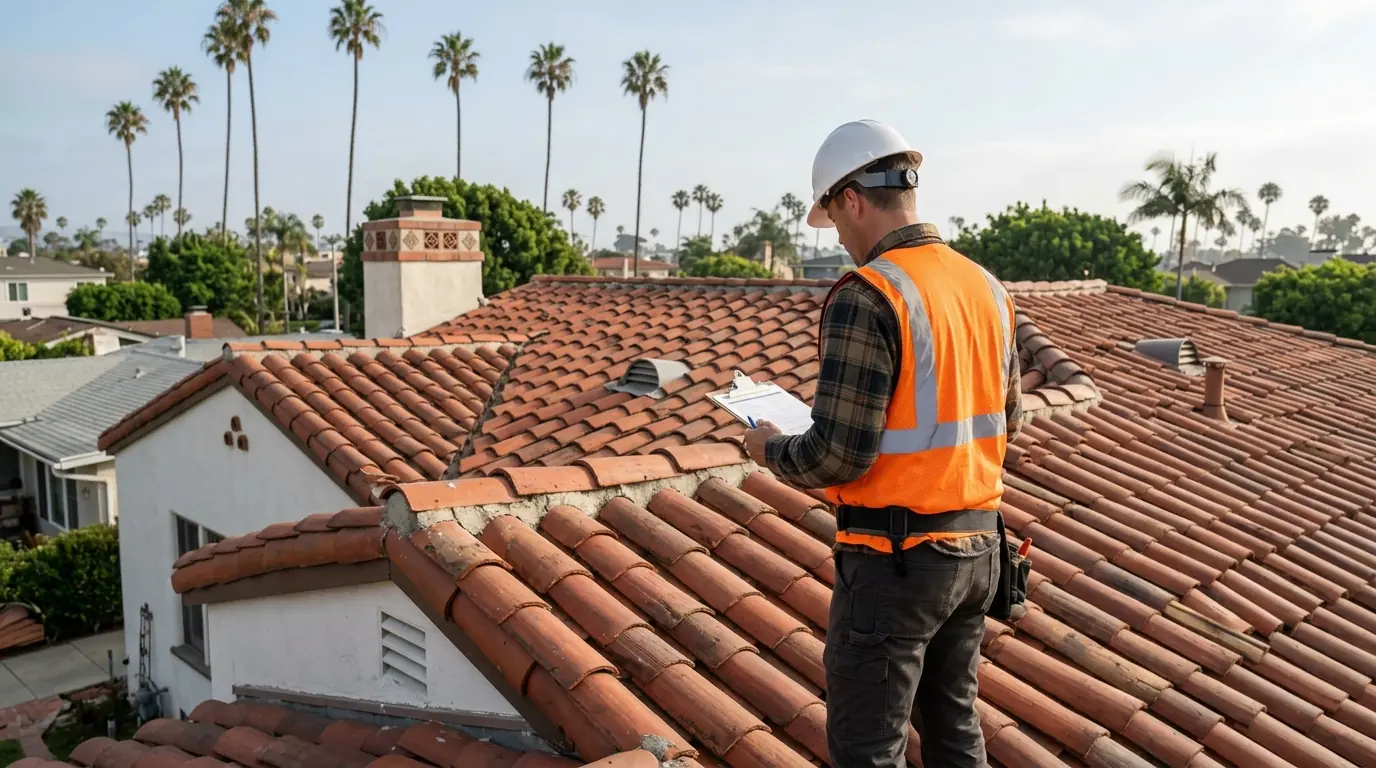
If you are buying or selling a home in Long Beach, someone may ask for a roof certification. Buyers want to know the roof will not leak the first winter after they move in, lenders sometimes want reassurance, and sellers want to avoid surprises late in escrow. A roof certification is a roofer's written statement, after an inspection, that the roof is in sound condition and expected to hold up for a stated period, with any needed repairs completed first.
Terms vary from company to company, so it pays to understand what is being offered. This guide explains what the inspection usually looks at, why repairs often come first, how timing works inside an escrow period and what both sides of the sale should ask before relying on the document.
What a roof certification is and is not
A roof certification is based on an inspection of the roof's current condition. It states what was inspected, what was found, any repairs required to bring the roof to sound condition and the period the certification covers. It is not a new roof, and it does not promise the roof will last forever.
It is also different from a general home inspection. A home inspector looks at the whole house and often views the roof from the ground or a ladder. A roof certification inspection is done by a roofer who goes on the roof where it is safe, checks the details and gives a roof-specific opinion. Many buyers get both.
What the inspection usually covers
The inspector looks at the roof covering, the flashings and penetrations, the drainage and the visible deck. On Long Beach homes, that means checking the specific weak points of each roof type, from failed felt under clay tile to blistered membranes on mid-century flat roofs.
We also note anything outside the roof that affects it, such as overhanging trees, dry rot at the fascia or solar equipment mounted on the roof. In Long Beach a roof certification inspection typically runs $245 to $475 per certification inspection. The real price comes after we look at the roof, since size, access and the number of roof sections all affect the time it takes.
- Shingles, tiles or membrane across every slope
- Flashings at walls, chimneys, skylights and vents
- Valleys, gutters, drains and scuppers
- Visible decking and signs of past leaks from the attic
- Fascia, eaves and rafter tails
- Any rooftop equipment or solar mounts
Why repairs often come first
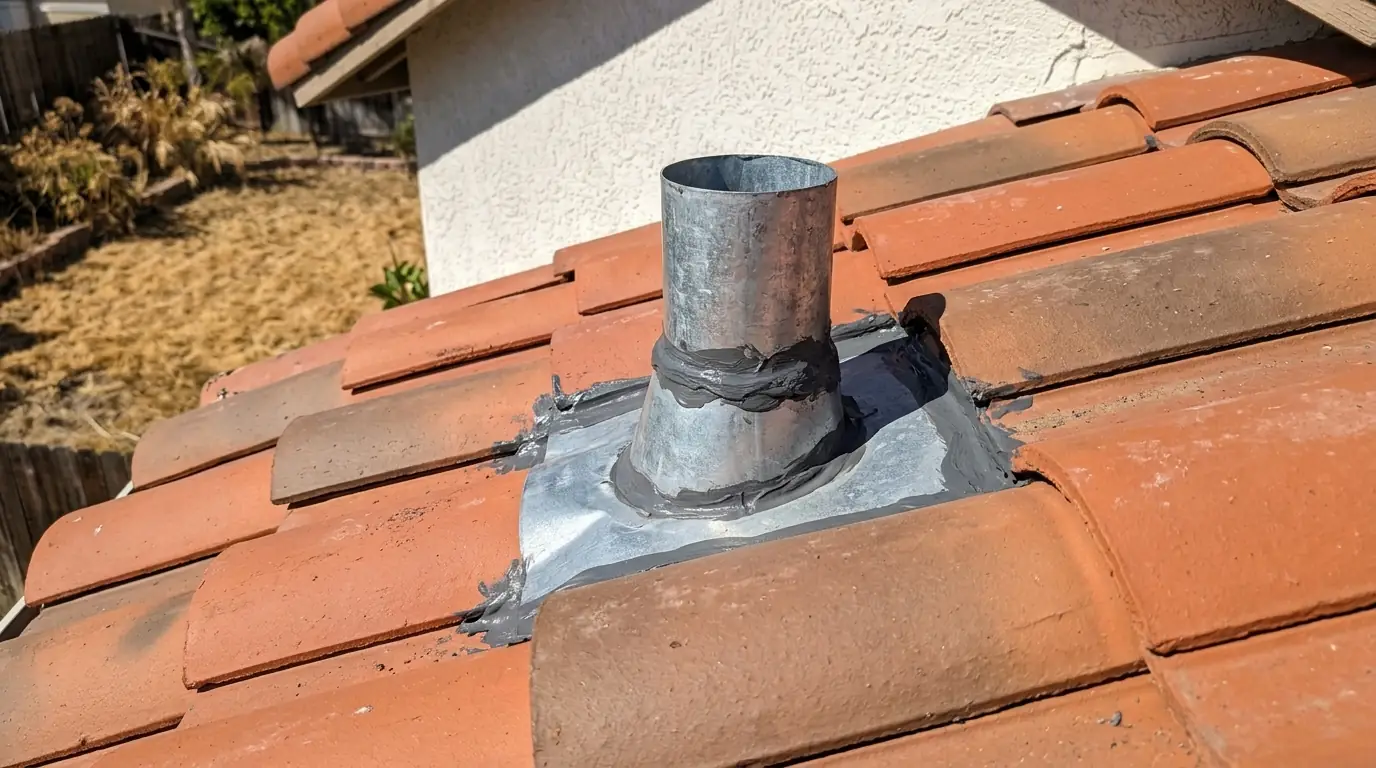
Most roofs on resale homes need some work before they can be certified. That is normal and does not mean the roof is bad. Common items include replacing cracked tiles, resealing pipe flashings, clearing drains, fixing a lifted flashing at a wall or repairing a small area of worn membrane.
If the roof is past the point where repairs make sense, the inspector will say so, and the certification may not be possible without a replacement. On older tile roofs, the issue is often aged underlayment, which needs a lift and relay rather than spot repairs. Knowing this early in escrow gives both sides time to negotiate.
Common findings on Long Beach resale roofs
The housing mix in Long Beach means each part of town tends to turn up its own list. On 1920s Spanish Revival and Tudor homes in Bluff Park, Belmont Heights and California Heights, the usual finding is aged felt under clay tile, plus rusted valley metal and cracked tiles from years of foot traffic. On 1950s ranch homes in Los Altos, the Plaza and North Long Beach, it is worn asphalt shingles, cracked pipe collars and patched areas from past leaks.
Mid-century homes with flat or low-slope roofs often show ponding, blistered membrane and tired flashing at skylights and beam ends. Near the coast in Naples and Belmont Shore, salt air leaves rusted flashing, vents and fasteners. Knowing what is typical for the house helps buyers and sellers read the report calmly rather than treating every item as a red flag.
- Aged underlayment under older clay and concrete tile
- Granule loss and cracked collars on ranch shingle roofs
- Ponding and worn membrane on flat roofs
- Rusted metal on coastal homes
What sellers should know
Sellers can order a roof inspection before listing, which gives them time to make repairs on their own schedule and avoids last-minute pressure. A clean roof report is also a selling point in a market where buyers are cautious about older homes.
If the roof needs major work, disclosing it early lets you price the home with that in mind or offer a credit. Either approach tends to go smoother than a surprise late in escrow. Keep records of past repairs and any permits for re-roofing, since buyers and their agents often ask for them.
- Order the inspection before listing if you can
- Make repairs while you still control the schedule
- Gather records of past roof work and permits
- Decide early whether to repair, replace or credit
What buyers should know
Buyers should read the certification itself, not just the summary from an agent. Check which roof sections are covered, what repairs were made, the period of coverage and what conditions apply. Some certifications exclude things like solar mounts, skylights or areas the inspector could not reach.
Ask who will honor the certification if a problem comes up and how to contact them. If the house has an older tile roof, ask specifically about the underlayment, since it is the most common hidden issue on Long Beach tile homes. And if the inspection found the roof near the end of its life, factor a replacement into your plans, even if a certification can be issued for a short period.
Timing inside the escrow period
Escrow periods are short, so schedule the roof inspection early. Repairs need time, and during the rainy season they compete with emergency calls. If the sale is happening in winter, an active leak may need a tarp first, with the repair and certification following in the next dry stretch.
We work with agents on timing and send reports and photos so everyone sees the same information. Our phone is answered 24 hours a day, 7 days a week, which helps when escrow deadlines are close.
Key takeaways
- A roof certification follows a roofer's on-roof inspection
- Most resale roofs need small repairs before certification
- Sellers gain control by inspecting before they list
- Buyers should read what the document covers and excludes
About the author
Hubert Tisdale edits Roof Advice for Denco Roofing Company. The articles draw on what our roofers see on Long Beach roofs every week.
FAQ
Reader questions
Is a roof certification the same as a home inspector's roof report?
No. A home inspector reviews the whole house and often views the roof from the ground or a ladder. A roof certification comes from a roofer who inspects the roof up close, requires any needed repairs and then states the roof's condition for a set period. Many buyers use both.
Can an older clay tile roof pass a certification inspection during escrow?
It can if the tile and underlayment are still sound or can be repaired. If the felt under the tile has failed across the roof, spot repairs will not fix it, and a lift and relay may be needed before a certification is possible. The inspection will make that clear.
Who usually pays for the roof certification in a home sale?
It depends on the deal. Sometimes the seller provides it as part of preparing the home, and sometimes the buyer requests and pays for it. Repairs needed for the certification are often negotiated between the parties as part of escrow.
A leak, a quote, or a question about your roof?
Call Denco at (562) 414-1770. Someone answers 24 hours a day, and our crews work out of Long Beach and La Mirada.